Breaking Down the Costs: Major Auto Repair Prices in Philadelphia Explained with Local Labor Rates and Repair Insights
Auto repair bills can surprise car owners when the problem is large and the quote is unclear, so this guide breaks down typical costs for major auto repairs in Philadelphia and ties those ranges to local labor-rate context. Readers will learn how labor hours and parts choices drive final prices, what diagnostic fees mean for accuracy, and practical rules for deciding between rebuilds and replacements. This article covers engine and transmission repairs, brake and suspension work, electrical and cooling system interventions, plus the market factors that cause price variation in the Philadelphia area. You’ll also find step-by-step tactics for getting fair, itemized estimates and evidence-based arguments for preventative maintenance that often save money long-term. Throughout, the guide uses local labor-rate context, anonymized case-style breakdowns, and actionable checklists so Philadelphia car owners can budget, compare quotes, and avoid unnecessary repairs.
What Are the Average Labor Rates for Auto Repair in Philadelphia?
Average independent-shop labor rates in Philadelphia typically fall into a concise range that helps predict the labor portion of repair bills. Local independent shops commonly charge in the range of $100–$120 per hour for diagnostic and repair labor, and that hourly rate multiplies with estimated repair hours to create the bulk of most major repair invoices. Labor rate variance reflects technician certification, shop overhead, and the presence of specialized tooling for complex systems; these differences explain why identical repairs sometimes have materially different labor line items. Understanding the local hourly range makes it easier to interpret an itemized estimate and to compare quotes on like-for-like labor hours and parts quality.
How Do Philadelphia Labor Rates Impact Your Repair Bill?
Labor hours and the local hourly rate combine deterministically to create the labor portion of any repair estimate, making the hourly figure one of the most direct levers on cost. For example, a brake job estimated at 2.5 labor hours at $115/hr yields a labor subtotal that is straightforward to calculate, and knowing this math helps you evaluate whether a quoted labor total is reasonable. Shops may quote using flat-rate labor times or actual clock hours; flat-rate systems set a standard time for a job while actual-hours billing charges for elapsed technician time, and each model shifts risk and potential savings differently. Comparing labor-hour estimates across quotes and asking whether the shop uses flat-rate or actual-hours billing reduces surprises and highlights hidden time-based cost drivers.
What Is the Typical Hourly Rate for ASE-Certified Mechanics in Philly?
ASE-certified mechanics in the Philadelphia market generally fall toward the higher end of the local hourly range because certification signals additional training and diagnostic skill that can shorten repair time and reduce repeat visits. Hiring a certified technician may cost more per hour—often near the upper end of the $110–$120/hr range—but the tradeoff is usually more accurate diagnostics and fewer follow-up repairs, which can lower lifecycle cost. When evaluating a shop, weigh hourly rate against warranty terms and diagnostic thoroughness; a slightly higher hourly rate paired with a clear warranty often produces better value than a lower rate with vague guarantees. This comparison helps owners choose the right balance of upfront cost and long-term reliability.
How Much Do Major Engine Repairs Cost in Philadelphia?
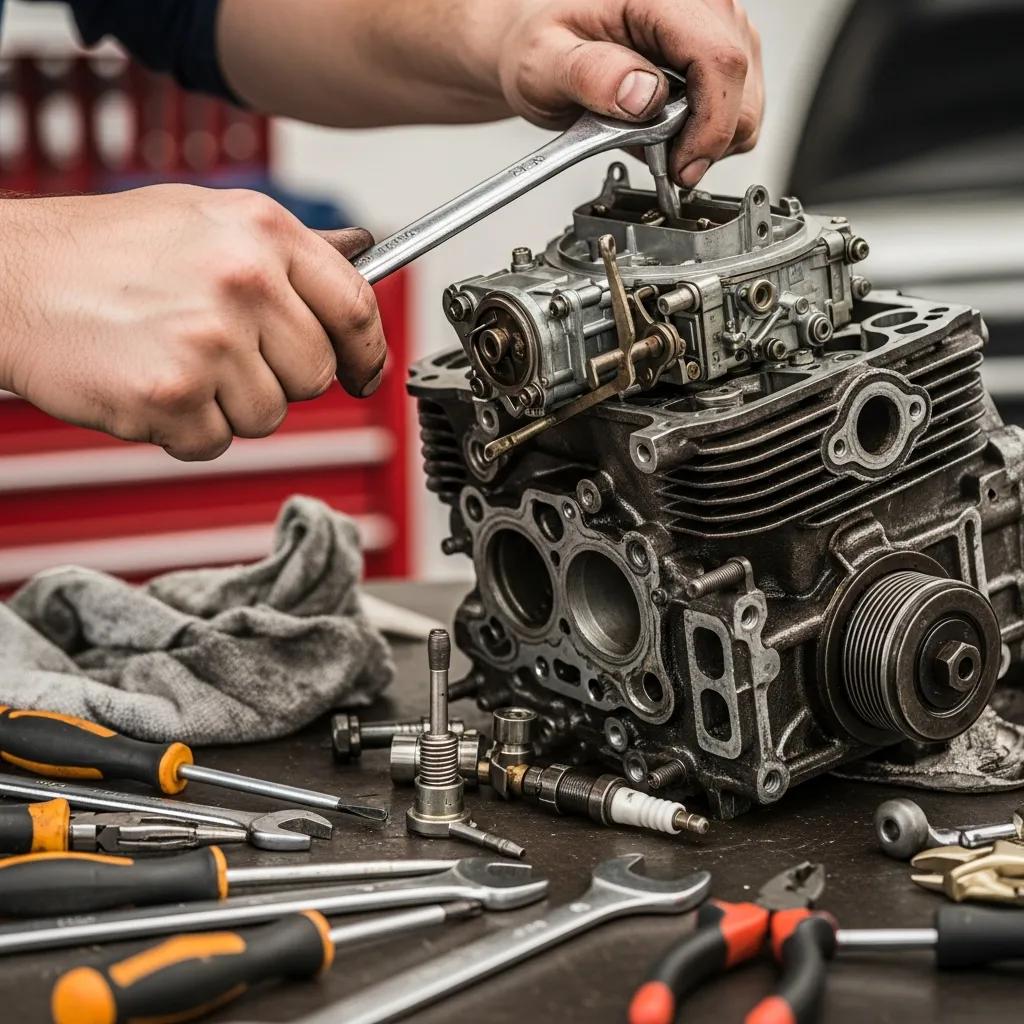
Major engine repairs range widely because they combine diagnostic complexity, parts costs, and substantial labor hours; this section explains typical ranges and how diagnostics and repair approach (rebuild vs replacement) affect final cost. Engine issues such as head gasket failure, timing system failures, or full engine failure each differ materially in parts needs and labor hours, and Philadelphia labor rates contextualize the labor portion of these estimates. Accurate diagnostics reduce unnecessary parts replacement and clarify whether a rebuild or replacement yields better long-term value for the vehicle.
Different engine service types require varying amounts of parts and labor, and the table below summarizes those differences for comparison.
What Are Common Engine Problems and Their Repair Costs?
Common engine failures include head gasket leaks, timing system failures, oil-pump problems, and worn cylinder heads, each with distinct parts needs and labor time that drive cost variation. For instance, a timing belt service generally demands fewer labor hours than a head gasket repair because it is more modular, whereas head gasket jobs are labor-intensive and often expose related wear that requires additional parts. Vehicle make, engine layout, and parts availability significantly influence the parts cost column; European and high-performance engines often push parts costs higher than economy models. Understanding common failure modes helps owners anticipate whether an initial diagnostic is likely to uncover single-system fixes or cascade into larger repairs.
How Do Engine Diagnostic Fees Affect Overall Costs?
Diagnostic fees pay for technician time, scanner usage, and initial troubleshooting that narrow the list of possible root causes and prevent unnecessary parts replacement. Typical diagnostic workflows begin with an OBD-II scan and visual/functional tests and may escalate to system-specific pressure or compression checks, adding incremental technician hours that are billable but informative. Many shops apply the diagnostic fee toward repair authorization if the customer proceeds with the repair at the same facility, effectively crediting the fee against the final invoice and making diagnostics cost-neutral in that scenario. Investing in diagnostics avoids speculative parts swaps, which often increase total cost and extend downtime.
What Is the Cost Difference Between Engine Replacement and Rebuild?
Choosing between rebuilding an engine and replacing it with a remanufactured or used unit requires balancing upfront cost, expected reliability, turnaround time, and warranty coverage. Rebuilds can be cost-effective when major components are serviceable and the rest of the vehicle is in good condition; they typically require more labor hours but use many of the vehicle’s original parts, whereas replacements substitute a complete unit that may reduce labor but increase parts cost. Rebuilds often take longer in shop labor hours and can exceed replacement cost if extensive machining or part remanufacture is needed, while replacement units can sometimes reduce labor hours if they drop-in more readily. The decision depends on vehicle value, intended use, warranty expectations, and diagnostic findings that reveal the true extent of internal engine damage.
What Are the Typical Transmission Repair Costs in Philadelphia?
Transmission repair costs span from routine fluid services to complete rebuilds or replacements, and the type of transmission—automatic or manual—affects parts complexity and labor hours. Routine maintenance such as fluid and filter service is relatively low-cost and preventive, while internal failures, clutch replacements, or full rebuilds escalate parts and labor dramatically. Local labor rates amplify the labor portion for multi-day rebuilds, and specialized tooling for automatic transmissions often increases shop overhead. This section outlines maintenance versus major repair distinctions and provides a compact comparison table to show typical service and repair ranges.
How Do Automatic and Manual Transmission Repairs Differ in Price?
Manual transmissions typically have simpler mechanical layouts and clutch systems that are less expensive to repair than complex automatic transmissions; however, clutch jobs still require significant labor and parts like pressure plates and flywheels. Automatic transmissions contain hydraulic controls, torque converters, and numerous solenoids that require specialized diagnostic tools and more labor hours, driving higher repair bills. The need for transmission recalibration or programming in some modern automatics can also add diagnostic time, increasing the final invoice. Owners should ask whether quoted work includes calibration, fluid type, and warranty to make informed comparisons.
What Are the Costs for Transmission Fluid Service and Maintenance?
Transmission fluid and filter services are one of the most cost-effective preventive actions to extend transmission life and are generally inexpensive relative to rebuilds. Recommended intervals vary by vehicle, but routine fluid service typically costs a fraction of repair bills and can prevent internal wear that leads to more severe failures. Using the correct fluid type and following interval recommendations reduces the risk of contamination-related damage, and the modest maintenance spend often yields high return on avoided repair costs. Scheduling routine transmission service lowers the statistical probability of encountering catastrophic transmission failure.
What Are the Signs You Need Transmission Repair?
Early recognition of transmission symptoms prevents escalation and can reduce total repair cost by addressing problems before full failure occurs. Look for slipping gears, delayed engagement, whining or clunking noises, fluid leaks, and unusual dashboard warnings—each symptom indicates a probable subsystem at fault and helps technicians prioritize diagnostics. When symptoms are severe (e.g., transmission slipping under load), avoid driving the vehicle to prevent further damage; towing may be the safest option to limit repair scope. Timely inspection based on these signs often converts a high-cost rebuild into a lower-cost fix when caught early.
How Much Does Brake System Repair Cost in Philadelphia?
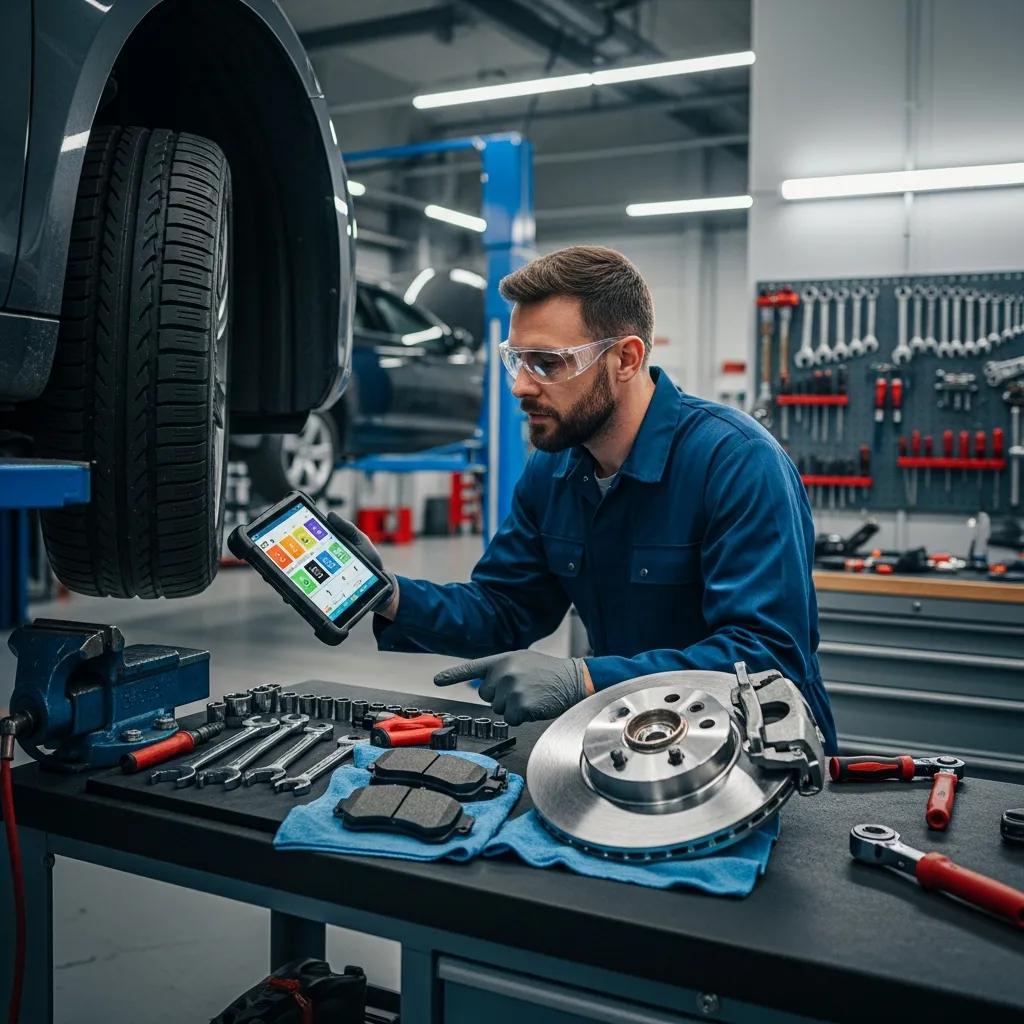
Brake repairs range from economical pad replacements to ABS-module diagnostics and rotor replacement, and costs reflect parts quality, vehicle class, and labor hours. Brake pad replacement on economy vehicles often involves less labor and lower-cost pads, while luxury or performance cars require higher-spec pads and possibly expensive rotors that push parts cost higher. ABS repairs involve electronic diagnostics and sensor replacement, which add diagnostic hours and parts that are costlier than basic pad services. The following small table and checklist clarify pad/rotor vs ABS and fluid-service price expectations to help owners budget and choose appropriate repair options.
What Are the Average Costs for Brake Pad and Rotor Replacement?
Brake pad replacement often represents the lowest-cost safety repair, but combined pad-and-rotor jobs are common when rotors are worn, warped, or below thickness specifications. Parts costs scale with material and vehicle class—carbon-ceramic or performance rotors are far more expensive than economy stamped rotors—while labor hours depend on axle complexity and whether additional services (caliper rebuild, brake hardware replacement) are required. Resurfacing rotors can be a middle ground if specification allows, saving parts cost but adding a small shop labor step; however, replacement is necessary when geometry or wear exceeds safe limits. Budgeting for pads and rotors together reduces the chance of repeated brake-shop visits and often yields a better total-cost outcome.
How Much Does ABS System Repair and Brake Fluid Flush Cost?
ABS diagnostics typically require electronic scanning, wheel-sensor checks, and targeted testing, so diagnostic time is higher than routine pad jobs and often billed separately if advanced scanning is needed. Common ABS fixes include sensor replacement, wiring repair, or module work; sensor swaps are moderate-cost parts with modest labor, while module replacement or programming can be substantially more expensive. Brake fluid flushes are preventive services that are inexpensive relative to ABS component repair and help maintain hydraulic integrity; regular fluid services reduce corrosion and sensor issues linked to ABS faults. Prioritizing fluid maintenance and prompt ABS diagnostics when cautions appear reduces the risk of more expensive downstream repairs.
What Other Major Auto Repair Costs Should Philadelphia Car Owners Know?
Beyond engine, transmission, and brakes, owners should watch suspension, steering, electrical systems, and radiator/cooling system repairs, each of which has distinct cost drivers and preventive indicators. Suspension and steering faults change driving dynamics and often require parts like shocks, struts, control arms, or tie rods, with costs scaling by whether single components or entire assemblies need replacement. Electrical problems are diagnostic-intensive because intermittent faults can require prolonged troubleshooting and specialized scanners to isolate wiring or sensor issues. Cooling-system failures such as radiator leaks or failed water pumps can promptly escalate to engine damage if ignored, turning a modest cooling repair into a major engine expense.
How Much Does Suspension and Steering Repair Cost in Philadelphia?
Suspension jobs vary from replacing a single shock or strut to full-strut assemblies and control arm replacements; labor hours depend on access, alignment necessity, and whether mounts or bushings require concurrent replacement. Shock or strut replacement per corner is typically less costly than full assembly replacement, but when vehicle sag or handling issues are present across multiple corners, comprehensive work often gives better long-term value. Wheel alignment is frequently required after suspension work and adds a predictable but necessary cost to restore safe handling and tire life. Timely suspension repair prevents uneven tire wear that leads to additional replacement costs and maintains driving safety.
What Are the Costs for Electrical System Diagnostics and Repairs?
Electrical issues demand a diagnostic-first approach because symptoms often mask the underlying fault, and pinpointing wiring, sensor, or module failures requires systematic testing plus OBD and oscilloscope tools. Alternator and starter replacements are common electrical fixes with defined parts costs and moderate labor, but intermittent sensor faults or wiring harness issues can consume significant diagnostic hours and therefore raise labor costs. Prioritizing diagnostics narrows repair scope and prevents unnecessary part swaps, and shops that invest in advanced diagnostic equipment typically resolve electrical issues faster and more accurately. Clear diagnostic reporting is therefore crucial to understanding the cost drivers of electrical repairs.
How Much Does Radiator and Cooling System Maintenance Cost?
Cooling system services range from inexpensive coolant flushes and thermostat replacements to extensive radiator or water-pump replacements that require more parts and labor. A coolant flush is preventive, inexpensive, and often avoids corrosion that later forces radiator or head gasket repairs; conversely, a failed radiator or leaking hose can allow overheating and cause very costly engine damage if not addressed. Early inspection for leaks, pressure testing, and scheduled coolant replacement typically cost little relative to the expense of overheating-induced engine repair. Maintaining the cooling system is a high-return activity for avoiding major engine expenses.
What Factors Influence Major Auto Repair Prices in Philadelphia?
Several interrelated factors—labor rates, parts quality, vehicle make/model, diagnostic complexity, and market supply trends—drive the variability in repair costs across Philadelphia. Labor rates multiply with estimated hours and are influenced by technician certification and shop overhead, while parts choices (OEM vs aftermarket) directly change the parts line item. Diagnostic complexity, especially in modern vehicles with advanced driver-assistance systems and electronic controls, increases diagnostic hours and may require specialized equipment, elevating labor and sometimes parts costs. Supply-chain disruptions and parts shortages can push parts costs and lead times higher, affecting both price and repair timeline.
How Do Parts Quality and Vehicle Make Affect Repair Costs?
Parts selection is a tangible lever on price: OEM parts maintain manufacturer fit and warranty but typically cost more, while reputable aftermarket parts can reduce parts expense but sometimes sacrifice warranty or longevity. Vehicle make and model are consistent multipliers—luxury and import vehicles often require higher-cost parts and specialized labor that increases total repair cost. Supply-chain issues for specific models can further elevate price and lead times, forcing owners to weigh expedited parts against potential higher cost. Discussing parts options and warranty implications with the shop helps owners choose the best balance of cost, reliability, and coverage.
Why Do Diagnostic Complexity and Labor Time Vary Repair Prices?
Modern vehicles use layered electronic systems that make fault isolation more time-consuming than traditional mechanical issues; intermittent electrical problems often require extended observation, module testing, and component substitution to confirm root cause. Specialized tooling, ADAS calibration, and ECU programming add both labor hours and required expertise, increasing labor costs relative to straightforward mechanical fixes. Shops that invest in advanced diagnostic equipment and technician training may charge more per hour, but they can often resolve complex faults faster and more reliably, reducing total lifecycle cost. Clear communication about diagnostic steps and estimated hours is therefore essential to manage expectations and prevent escalation.
What Financing Options Are Available for Major Repairs in Philadelphia?
Large repairs sometimes exceed immediate budgets, and typical consumer options include credit cards, third-party financing platforms, or in-shop payment plans when available, each with tradeoffs in interest and fees. Owners should ask about in-shop financing or scheduled payment options and compare those offers to third-party alternatives to understand total repayment cost. Financing increases short-term accessibility but adds interest that raises the overall cost, so use it judiciously for essential safety-related repairs or when avoiding immediate vehicle loss. Always request written terms and calculate total repayment to compare financing against delaying noncritical work.
How Can Philadelphia Car Owners Get Accurate and Fair Auto Repair Estimates?
Securing accurate, fair estimates requires a diagnostic-first mindset, itemized written quotes, and comparison shopping; this section lists practical steps and red flags so owners can evaluate estimates confidently. Start with a complete diagnostic that isolates the root cause rather than authorizing parts swaps, then request an itemized quote that separates parts, labor hours, diagnostic fees, and warranty terms. Ask about parts options (OEM vs aftermarket), labor billing method (flat-rate vs actual-hours), and how diagnostic fees are applied if you proceed with repairs. Comparing two to three written quotes and checking for clear descriptions and warranty language reduces the likelihood of surprise charges and helps identify unreasonable estimates.
- Get a diagnostic before agreeing to repairs so the problem is clearly defined.
- Ask for an itemized written estimate that lists labor hours, parts, and taxes.
- Request parts options and warranty details to compare value, not just price.
- Get 2–3 written estimates and watch for vague descriptions or missing line items.
- Confirm whether the diagnostic fee will be credited toward repairs if you authorize work.
What Are Smart Strategies to Avoid Overpaying for Repairs?
Practical strategies include insisting on itemized quotes, verifying technician certification, and using scheduled maintenance to reduce emergency repairs that carry premium pricing. Ask whether the shop credits diagnostic fees toward repairs, obtain written warranty terms, and verify that parts listed on the estimate match your expectations for OEM versus aftermarket. Avoid hasty authorization of expensive parts without a diagnostic confirmation, and when feasible get a second opinion for high-cost items to ensure the recommended work is necessary. These steps turn opaque estimates into apples-to-apples comparisons and protect consumers from unnecessary or upcharged repairs.
How Does 8 Cylinders Auto Repair Ensure Honest and Upfront Pricing?
8 Cylinders Auto Repair emphasizes transparent pricing practices and services that support accurate estimates by using ASE-certified technicians, modern fully equipped service bays, and clear diagnostic workflows. Located at 1901 W Courtland St, Philadelphia, PA 19140, the shop’s listed UVPs—ASE certification, honest and upfront pricing, fast turnaround, and friendly, knowledgeable staff—are the kinds of practices that help customers get itemized, explainable estimates. When contacting a local shop, request an itemized diagnostic and ask how diagnostic fees apply to repair authorization to confirm transparency. These shop-level practices align with the consumer strategies above and can reduce friction during estimate comparisons.
Why Is Preventative Maintenance Cost-Effective Compared to Major Repairs?
Routine maintenance costs are modest compared with major repairs, and consistent servicing often prevents catastrophic failures that carry much higher price tags, so preventative actions offer strong return on investment. Annual maintenance spending—such as regular oil changes, filter replacements, fluid services, and inspection—smooths wear patterns and identifies small issues before they escalate into engine, transmission, or hybrid-battery failures. Using maintenance intervals and addressing wear signs like belt age, fluid contamination, or brake thinning reduces the incidence of emergency repairs and the corresponding high labor and parts costs. The following list and example math show how regular maintenance compares with single-event major repairs in practical terms.
- Oil changes and filter replacements to prevent lubrication-related engine wear.
- Timing belt or chain service to avoid catastrophic engine damage.
- Fluid services (transmission, coolant, brake) to prolong component life.
- Brake inspections and pad replacement to avoid rotor or caliper damage.
Regular maintenance reduces the statistical chance of major, expensive failures and usually preserves vehicle value through documented service history.
How Much Can Routine Maintenance Save You Annually in Philadelphia?
Using average annual maintenance levels as a baseline, routine care costing a few hundred dollars per year can prevent single-event repairs that cost thousands, yielding multi-year savings. For example, investing in regular timing-belt replacement and fluid services can avert engine or transmission failures that would otherwise exceed several thousand dollars in parts and labor combined. Over a vehicle’s lifecycle, consistent maintenance stabilizes repair spend and often reduces total cost of ownership by postponing or preventing major repairs. Planning maintenance budgets and comparing them to potential replacement costs clarifies the economics of proactive service.
What Are the Most Expensive Repairs to Avoid with Proper Maintenance?
The costliest repairs typically include full engine replacement, transmission rebuild/replacement, and hybrid or EV battery replacement, and proactive maintenance is the primary defense against many of these failures. Preventative steps—timely timing-belt replacement, scheduled transmissions and coolant services, and early attention to warning signs—reduce the probability of cascading failures that lead to these high-cost outcomes. For owners of hybrid or EV vehicles, specialized maintenance and early diagnostic attention to battery health and cooling systems can prevent accelerated degradation that would otherwise be expensive to repair. Prioritizing these maintenance items yields high ROI in reduced long-term repair risk.